
Table of Contents
ToggleElectric vehicles techniques matter more than most new owners realize. The way drivers charge, operate, and maintain their EVs directly affects battery health, driving range, and long-term costs. Modern electric vehicles offer impressive performance, but getting the most from them requires specific knowledge. This guide covers practical techniques that help EV owners maximize efficiency, extend battery life, and reduce maintenance headaches. Whether someone just bought their first electric car or wants to optimize an existing one, these methods deliver real results.
Key Takeaways
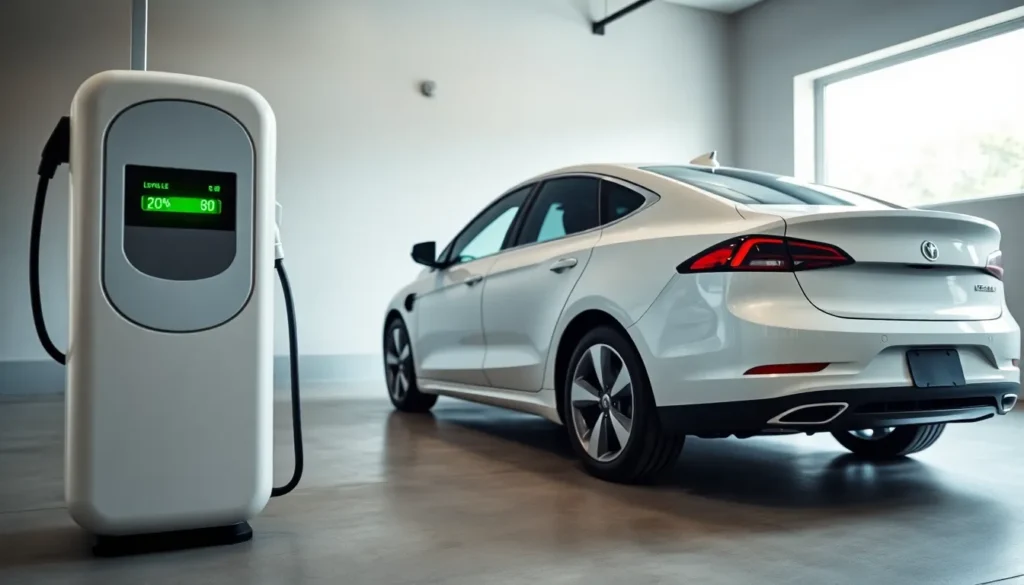
- Keep your EV battery between 20% and 80% charge for daily use to significantly extend its lifespan.
- Use Level 2 charging over DC fast charging whenever possible, as frequent fast charging generates heat that stresses battery cells.
- Maximize regenerative braking and maintain steady speeds below 65 mph to extend your electric vehicle’s driving range.
- Precondition your cabin while plugged in to preserve battery power for driving instead of climate control.
- Check tire pressure monthly and rotate tires every 5,000-7,500 miles, since EVs are heavier and cause faster tire wear.
- Apply these electric vehicles techniques consistently to reduce long-term maintenance costs and optimize performance.
Understanding How Electric Vehicles Work
Electric vehicles operate differently from traditional gas-powered cars. An EV uses a battery pack to store electrical energy. This energy powers one or more electric motors that turn the wheels. The system is simpler than a combustion engine, fewer moving parts mean less friction and higher efficiency.
The battery pack is the heart of any electric vehicle. Most modern EVs use lithium-ion batteries, which offer high energy density and long lifespan. These batteries work best within specific temperature ranges, typically between 60°F and 80°F. Extreme cold or heat can reduce performance and accelerate wear.
Regenenerative braking is another key feature of electric vehicles. When drivers slow down, the motor reverses function and becomes a generator. It captures kinetic energy and converts it back to electricity, sending it to the battery. This technique recovers energy that would otherwise be lost as heat in traditional brake pads.
Understanding these basics helps owners make smarter decisions. They can adjust their habits to work with, not against, how their electric vehicle functions.
Effective Charging Techniques for Maximum Battery Life
Charging habits have a major impact on EV battery longevity. The right electric vehicles techniques for charging can extend battery life by years.
Keep the Battery Between 20% and 80%
Batteries experience the most stress at very low and very high charge levels. Experts recommend keeping the state of charge between 20% and 80% for daily use. Charging to 100% before a long trip is fine, but doing it regularly can accelerate degradation.
Use Level 2 Charging When Possible
Level 1 charging (standard household outlet) works, but it’s slow. Level 2 chargers deliver 240 volts and charge most EVs in 4-8 hours. This speed is gentle on the battery while still being practical for overnight charging.
DC fast charging is convenient for road trips, but frequent use can stress battery cells. Heat builds up during fast charging sessions, and heat is the enemy of lithium-ion batteries. Using fast chargers occasionally won’t cause problems, but relying on them daily might.
Avoid Charging in Extreme Temperatures
Many electric vehicles have battery conditioning systems that warm or cool the pack before charging. If possible, charge when ambient temperatures are moderate. Parking in a garage during winter helps the battery maintain optimal temperature.
These charging techniques protect the battery and maintain its capacity over time. Most EV batteries are designed to last 10-20 years with proper care.
Driving Techniques to Extend Your EV Range
Range anxiety is real for many EV owners. Smart driving techniques can squeeze extra miles from every charge.
Maximize Regenerative Braking
Most electric vehicles offer adjustable regenerative braking levels. Higher settings capture more energy when slowing down. Some drivers use “one-pedal driving,” where lifting off the accelerator provides enough braking force for most situations. This technique reduces wear on brake pads and recovers more energy.
Maintain Steady Speeds
Aggressive acceleration burns through battery charge quickly. Smooth, gradual acceleration is more efficient. On highways, maintaining a consistent speed, ideally below 65 mph, improves range significantly. Every 10 mph above 50 mph reduces efficiency by about 14%.
Precondition the Cabin
Heating and cooling drain the battery. A clever technique is preconditioning: warming or cooling the car while it’s still plugged in. This uses grid power instead of battery power, preserving range for the drive.
Plan Routes Strategically
Hilly terrain and stop-and-go traffic reduce efficiency. When possible, choose routes with fewer elevation changes and smoother traffic flow. Many EV navigation systems now factor in charging stations and terrain to optimize trips.
These electric vehicles techniques help drivers get more from each charge without sacrificing comfort or convenience.
Maintenance Techniques Every EV Owner Should Know
Electric vehicles require less maintenance than gas-powered cars, but they’re not maintenance-free. A few key techniques keep an EV running smoothly.
Check Tire Pressure Regularly
Underinflated tires increase rolling resistance and reduce range. EVs are heavier than comparable gas cars due to battery weight, which means tires wear faster. Check pressure monthly and rotate tires according to the manufacturer’s schedule, usually every 5,000-7,500 miles.
Monitor Brake Condition
Because regenerative braking handles most deceleration, brake pads last much longer in electric vehicles. But, this also means brake components can corrode from disuse. Occasional firm braking helps keep the system clean and functional.
Keep the Battery Cool
Parking in shade or a garage protects the battery from heat stress. Some EVs have active thermal management systems, but reducing the workload on these systems extends their lifespan. Avoid leaving an EV parked at 100% charge in hot weather for extended periods.
Update Software
Electric vehicles receive over-the-air updates that can improve efficiency, add features, and fix bugs. Keeping software current ensures optimal performance.
Schedule Annual Inspections
While EVs skip oil changes and exhaust system repairs, annual checkups catch issues with coolant levels, suspension components, and high-voltage systems. These inspections are usually quick and inexpensive.


