
Table of Contents
ToggleElectric vehicles tools have become essential for anyone who owns or works on an EV. As electric cars grow more popular, the need for specialized equipment grows too. Standard automotive tools won’t cut it anymore. EVs use high-voltage systems, unique battery packs, and software-driven diagnostics that require specific gear.
Whether you’re a new EV owner or a seasoned mechanic, having the right tools saves time, money, and potential headaches. This guide covers the must-have electric vehicles tools, from diagnostic scanners to safety equipment, that keep EVs running smoothly and safely.
Key Takeaways
- Electric vehicles tools are essential for safe maintenance due to high-voltage systems, specialized batteries, and software-driven diagnostics.
- EV-specific OBD-II scanners and battery monitoring systems help detect issues early, preventing costly repairs.
- Level 2 home chargers (240V) are foundational electric vehicles tools that add 20-40 miles of range per hour for practical daily ownership.
- Insulated hand tools rated to 1000V AC and high-voltage gloves are critical safety equipment when working on EVs.
- Thermal imaging cameras can identify potential battery and component failures by detecting temperature anomalies before problems escalate.
- Portable chargers and adapter kits expand charging flexibility during travel or emergencies, making them valuable accessories for EV owners.
Diagnostic and Monitoring Tools
Modern electric vehicles rely heavily on software and sensors. That means diagnostic tools are non-negotiable for proper maintenance.
OBD-II Scanners for EVs
A quality OBD-II scanner reads error codes, monitors battery health, and tracks system performance. But, not all scanners work well with electric vehicles. EV owners should look for scanners designed specifically for their make and model. Brands like Autel and Launch offer electric vehicles tools with EV-specific protocols.
These scanners display battery state of charge, cell balance, motor temperature, and inverter status. They help identify issues before they become expensive repairs.
Battery Monitoring Systems
Battery health determines an EV’s range and longevity. Battery monitoring systems track individual cell voltages, temperatures, and overall pack condition. Some electric vehicles tools connect via Bluetooth to smartphone apps, giving owners real-time data during drives.
For Tesla owners, apps like Scan My Tesla provide deep insights into battery performance. Other EVs benefit from manufacturer-specific diagnostic software or third-party solutions.
Thermal Imaging Cameras
Thermal cameras detect hot spots in battery packs, motors, and charging components. These electric vehicles tools catch potential failures early. A loose connection or degrading cell often shows up as a temperature anomaly long before it causes problems.
Entry-level thermal cameras from FLIR or Seek Thermal cost a few hundred dollars. They’re a smart investment for anyone serious about EV maintenance.
Charging Equipment and Accessories
Charging equipment ranks among the most important electric vehicles tools. The right setup ensures fast, safe, and convenient charging at home or on the road.
Level 2 Home Chargers
Most EV owners install a Level 2 charger at home. These units use 240-volt power and add 20-40 miles of range per hour of charging. Popular options include the ChargePoint Home Flex, Grizzl-E, and JuiceBox.
Key features to consider:
- Amperage (32A to 48A is typical)
- Smart connectivity for scheduling and monitoring
- Indoor or outdoor rating
- Cable length (18-25 feet works for most garages)
Level 2 chargers are foundational electric vehicles tools that make daily EV ownership practical.
Portable Chargers and Adapters
Portable EVSE units plug into standard outlets and provide backup charging anywhere. They’re slower than Level 2 chargers but invaluable during travel or emergencies.
Adapter kits expand charging options. They let EV owners connect to different outlet types, NEMA 14-50, 6-50, or TT-30 for RV parks. Tesla owners often carry J1772 adapters for non-Tesla public chargers.
Extension Cords and Cable Management
Not all electric vehicles tools are high-tech. Quality extension cords rated for EV charging (10-gauge minimum for Level 1) solve practical problems. Cable organizers and wall mounts keep charging stations tidy and prevent cable damage.
Never use a standard household extension cord for Level 2 charging. The risk of overheating and fire is real.
Safety and Maintenance Tools
Electric vehicles operate at voltages that can kill. Safety equipment isn’t optional, it’s critical.
Insulated Hand Tools
Insulated tools protect against electrical shock. Look for tools rated to 1000V AC and marked with the IEC 60900 standard. Knipex and Wiha make excellent insulated screwdrivers, pliers, and wrenches.
These electric vehicles tools feature multiple layers of insulation and bright colors that indicate wear. Replace any tool showing damage to the insulated coating.
Personal Protective Equipment
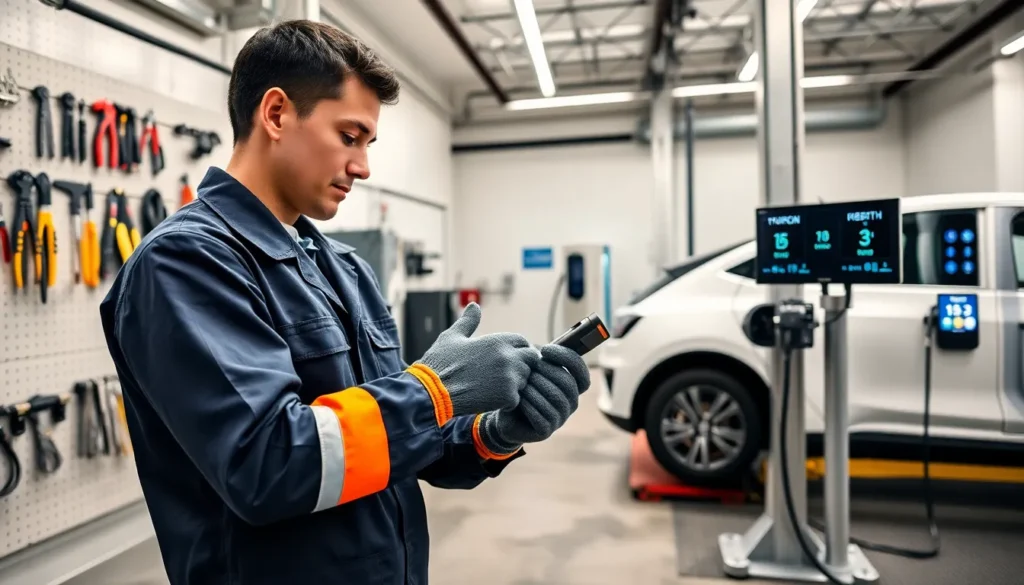
High-voltage gloves rated Class 0 or higher are essential for battery work. Leather protectors go over rubber gloves to prevent punctures. Safety glasses and face shields protect against arc flash.
A voltage detector confirms circuits are de-energized before work begins. These simple electric vehicles tools cost under $50 and provide peace of mind.
Basic Maintenance Items
EVs need less maintenance than gas cars, but some tasks remain:
- Tire pressure gauges and inflators (EVs are heavy: tire wear matters)
- Brake fluid testers (regenerative braking extends pad life, but fluid still degrades)
- Coolant testing equipment for thermal management systems
Quality torque wrenches ensure wheel lugs and suspension components are properly tightened. Over-torqued or under-torqued fasteners cause problems on any vehicle.
Specialized EV Repair Tools
Some electric vehicles tools serve specific repair tasks. Professional mechanics and advanced DIYers use these regularly.
Battery Service Equipment
Battery module lifts and handling equipment safely move heavy components. A Tesla Model 3 battery pack weighs over 1,000 pounds. Specialized jacks and support fixtures prevent damage and injury.
Battery cell tab welders and spot welders repair individual cells in some packs. These electric vehicles tools require training and experience to use safely.
Motor and Inverter Tools
Electric motor service requires bearing pullers, seal installers, and precision measuring instruments. Inverter repairs demand soldering stations and capacitor discharge tools.
Most EV owners won’t need these electric vehicles tools. But, independent repair shops and fleet maintenance facilities depend on them.
Software and Programming Tools
Many EV repairs require manufacturer software access. Tesla’s Service Mode, for example, unlocks diagnostic features hidden from regular users. Third-party tools like the Autel MaxiSYS Ultra provide programming capabilities for multiple brands.
Software updates sometimes fix issues that seem hardware-related. Having the right electric vehicles tools means knowing when a software solution exists.


