
Table of Contents
ToggleWhat is mobile? At its core, mobile refers to technology designed for portability and wireless communication. Mobile technology has transformed how people connect, work, and access information. From smartphones to tablets, these devices have become essential tools in modern life.
This guide explains mobile technology in clear terms. Readers will learn how mobile devices function, explore the different types available, and discover the real-world impact of mobile technology. Whether someone is curious about the basics or wants a deeper understanding, this article covers the essentials.
Key Takeaways
- Mobile refers to portable technology that enables wireless communication and computing without physical connections to networks or power sources.
- Mobile devices work through a combination of hardware (processors, displays, batteries), software (Android or iOS), and network connectivity (cellular, Wi-Fi, Bluetooth).
- Smartphones are the most common mobile device type, with over 6.8 billion users globally in 2024.
- Mobile technology has revolutionized daily life, powering everything from instant messaging and mobile commerce to remote work and telemedicine.
- 5G networks now offer speeds up to 10 gigabits per second, enabling advanced mobile applications like real-time streaming and connected vehicles.
- Mobile commerce accounts for approximately 60% of all e-commerce transactions, making smartphones essential tools for shopping and payments.
Understanding Mobile Technology
Mobile technology encompasses all devices and systems that allow wireless communication and computing on the go. The term “mobile” describes any technology that travels with the user without requiring physical connections to networks or power sources.
The foundation of mobile technology rests on three key elements:
- Wireless connectivity: Mobile devices connect to the internet and other networks through cellular signals, Wi-Fi, or Bluetooth.
- Portable hardware: The physical components are small and lightweight enough for easy transport.
- Battery power: Internal batteries provide energy, eliminating the need for constant electrical connections.
Mobile technology has evolved significantly since the first handheld cellular phone appeared in 1983. That device weighed nearly two pounds and offered only voice calls. Today’s mobile devices fit in a pocket and handle video calls, banking, navigation, entertainment, and countless other tasks.
The mobile ecosystem includes more than just phones. It spans operating systems like Android and iOS, mobile applications, cellular networks (4G, 5G), and the infrastructure supporting wireless communication. Each component works together to deliver the mobile experience users expect.
Understanding what mobile means also requires recognizing its distinction from stationary technology. Desktop computers and wired internet connections stay in fixed locations. Mobile technology breaks that limitation, giving users freedom to communicate and compute from virtually anywhere.
How Mobile Devices Work
Mobile devices operate through a combination of hardware, software, and network connectivity. Each element plays a specific role in delivering functionality.
Hardware Components
The physical parts of a mobile device include:
- Processor (CPU): This chip handles all computing tasks, from running apps to processing data.
- Memory (RAM): Temporary storage that keeps active applications running smoothly.
- Storage: Internal memory that holds the operating system, apps, photos, and files.
- Display: The touchscreen serves as both the visual output and primary input method.
- Battery: Lithium-ion batteries power most mobile devices, offering rechargeable energy storage.
- Antennas: Multiple antennas enable cellular, Wi-Fi, Bluetooth, and GPS connections.
Software and Operating Systems
Mobile operating systems manage hardware resources and provide the interface users interact with. Android dominates the global market with approximately 70% share, while iOS powers Apple’s devices. These systems handle everything from touch input to app installation and security.
Mobile applications run on top of the operating system. Developers create apps using programming languages and tools specific to each platform. Users download apps from official stores like Google Play or the Apple App Store.
Network Connectivity
Mobile devices connect to cellular networks through radio waves. Cell towers receive and transmit signals across geographic areas called cells. As a user moves, the device automatically switches between towers to maintain connection.
5G networks, the latest cellular standard, offer speeds up to 10 gigabits per second in ideal conditions. This represents a major leap from 4G technology and enables new mobile applications like real-time video streaming and connected vehicles.
Wi-Fi provides another connectivity option. Mobile devices detect nearby wireless routers and connect when users enter credentials. Many people use Wi-Fi at home or work to reduce cellular data usage.
Types of Mobile Devices
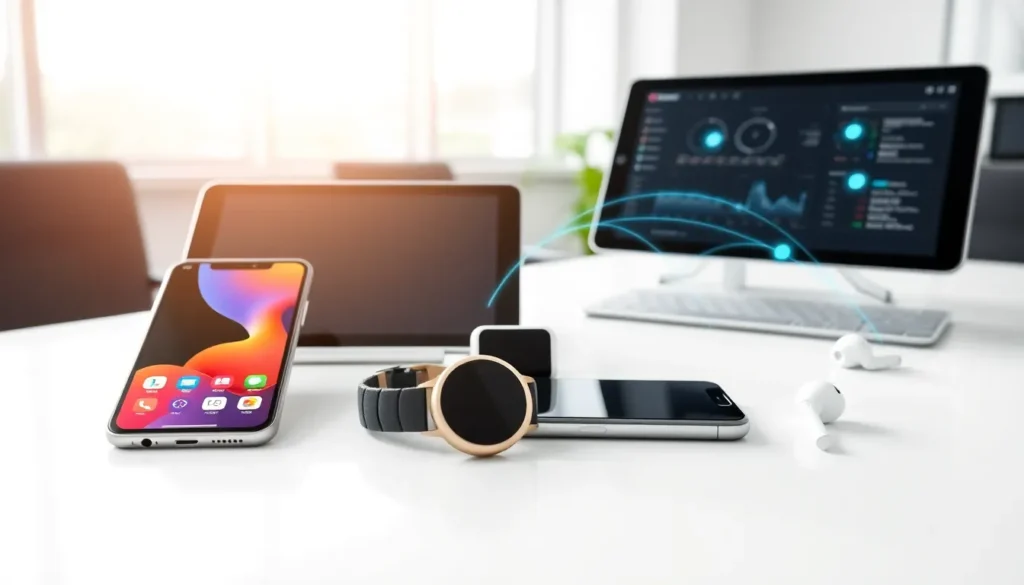
Mobile technology spans several device categories, each serving different purposes and user needs.
Smartphones
Smartphones represent the most common mobile device type. These pocket-sized computers combine phone capabilities with internet access, cameras, and app support. Popular models include Apple’s iPhone series, Samsung Galaxy phones, and Google Pixel devices. Global smartphone users exceeded 6.8 billion in 2024.
Smartphones handle communication, entertainment, productivity, and countless specialized tasks through downloadable applications.
Tablets
Tablets offer larger screens than smartphones, typically ranging from 7 to 13 inches. They excel at media consumption, reading, and light productivity work. Apple’s iPad leads this category, followed by Samsung Galaxy Tab and Amazon Fire tablets.
Some tablets include cellular connectivity, while others rely solely on Wi-Fi. Many professionals use tablets alongside smartphones and laptops.
Wearables
Wearable mobile devices attach to the body, usually on the wrist. Smartwatches like the Apple Watch and Samsung Galaxy Watch track fitness data, display notifications, and run simplified apps. Fitness bands focus specifically on health metrics like steps, heart rate, and sleep quality.
The wearables market continues growing as sensors become smaller and more accurate.
Laptops and Portable Computers
While laptops predate smartphones, they qualify as mobile devices. Modern laptops often include cellular connectivity options, allowing internet access without Wi-Fi. Lightweight ultrabooks and 2-in-1 convertibles blur the line between tablets and traditional laptops.
Other Mobile Devices
E-readers like Amazon Kindle focus on digital book reading. Portable gaming devices such as the Nintendo Switch provide mobile entertainment. GPS navigation units, though less common now, still serve specific markets like trucking and aviation.
The Impact of Mobile Technology on Daily Life
Mobile technology has changed nearly every aspect of how people live, work, and interact. Its influence extends across communication, commerce, healthcare, and entertainment.
Communication Revolution
Mobile devices have transformed communication patterns. Text messaging, video calls, and social media apps keep people connected regardless of location. The average person checks their mobile phone 96 times daily, according to recent studies.
Instant messaging apps like WhatsApp handle over 100 billion messages each day. Social platforms accessible through mobile devices shape how news spreads and opinions form.
Mobile Commerce
Shopping through mobile devices, called m-commerce, accounts for a growing share of retail sales. In 2024, mobile commerce represented approximately 60% of all e-commerce transactions globally. Users browse products, compare prices, and complete purchases directly from their phones.
Mobile payment systems like Apple Pay, Google Pay, and Samsung Pay have reduced reliance on physical wallets. Many consumers now tap their phones to pay at retail locations.
Work and Productivity
Mobile technology enables remote work and flexible schedules. Employees access company email, documents, and collaboration tools from anywhere. Video conferencing apps turn any location into a virtual meeting room.
This mobility has reshaped workplace expectations. Many organizations now offer hybrid arrangements that depend on mobile connectivity.
Healthcare Applications
Mobile health (mHealth) applications track fitness goals, monitor chronic conditions, and connect patients with providers. Telemedicine services allow doctor consultations through smartphone video calls. Wearable devices detect irregular heart rhythms and other health indicators.
Entertainment Access
Streaming services deliver music, movies, and television shows to mobile devices. Gaming on phones has grown into a multi-billion dollar industry. Podcasts, audiobooks, and digital magazines provide entertainment during commutes and downtime.


